The Thank-You You Haven't Sent Matters More Than You Think
Research shows we underestimate how much a thank-you note means to the person who gets it. Here is why, and how to send one tonight.
Maya was cleaning out a kitchen drawer when she found an old recipe card in her grandmother’s handwriting. It was for lemon bars, the ones her middle school science teacher, Mr. Ortiz, used to bring to class on test days. Holding the card, Maya remembered the afternoon he stayed late to help her with a project she was sure she would fail. She passed. She went on to love science. She had always meant to tell him. She even started typing an email once, then stopped. Wouldn’t it be strange, hearing from a former student fifteen years later? He probably didn’t even remember her. She put the card back in the drawer.
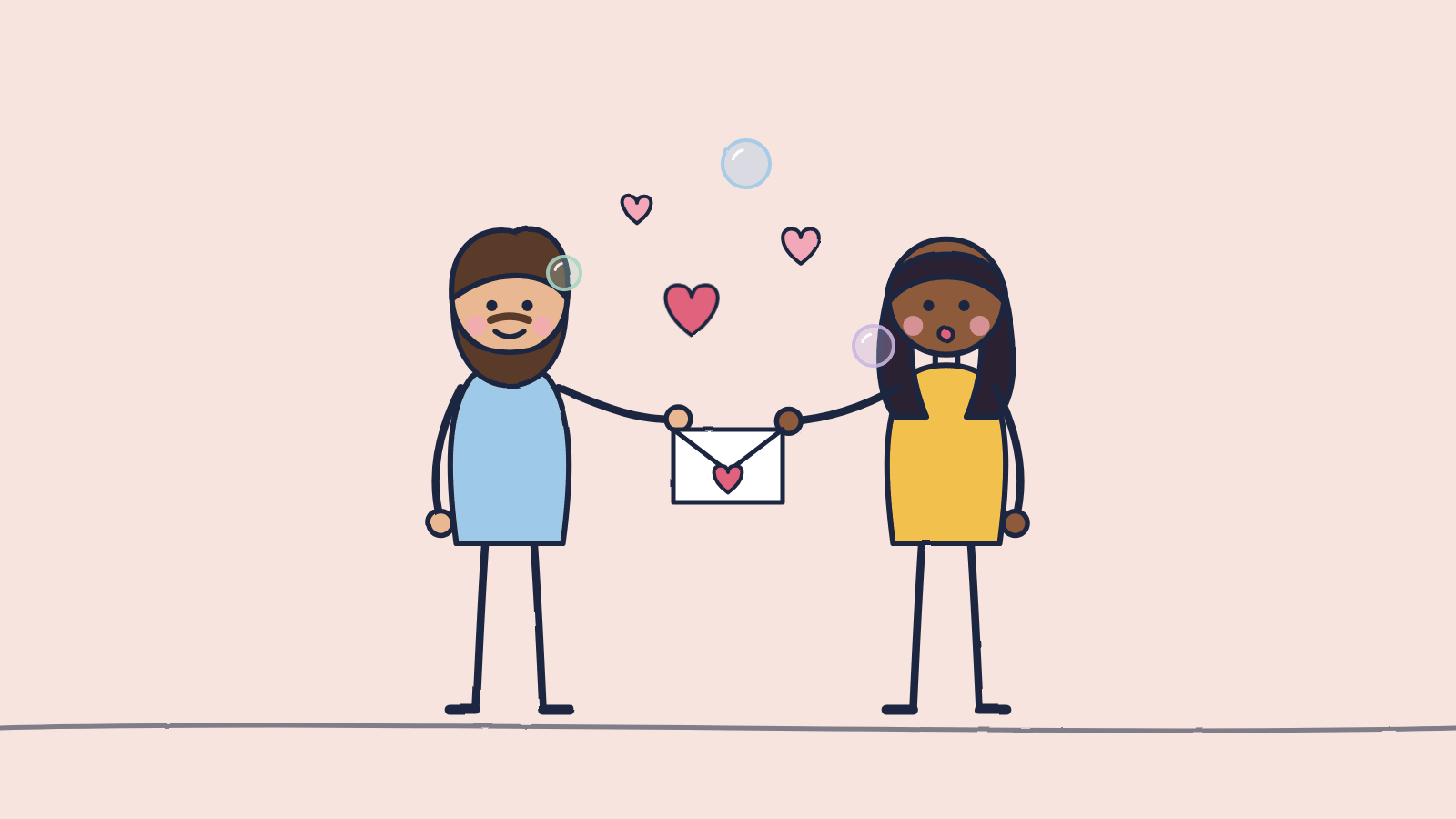
If you have ever had a moment like Maya’s, you are in good company. Most of us carry around thank-yous we never send. And research suggests the reasons we hold back are often based on a simple mistake in how we picture the other person’s reaction.
We Guess Wrong About How Thanks Will Land
In 2018, psychologists Amit Kumar and Nicholas Epley published a set of studies in the journal Psychological Science with a telling title: “Undervaluing gratitude.” They asked people to write gratitude letters to someone who had affected their lives. Before the letters were delivered, the writers predicted how the person receiving it would feel.
Then the researchers asked the recipients how they actually felt.
The gap was striking. The writers underestimated how surprised the recipients would be to get the letter. They underestimated how positive the recipients would feel. And they overestimated how awkward the recipients would feel. In other words, the people writing the letters expected a lukewarm, slightly uncomfortable moment. The people reading them often had a warm and meaningful one.
Kumar and Epley pointed out why this matters. If you think a thank-you will be awkward and not mean much, you are less likely to send it. So the miscalculation itself can stop people from expressing gratitude. Maya’s hesitation, the “wouldn’t it be strange” feeling, is exactly the kind of worry the research found to be off the mark.
A big part of the mistake seems to be focus. When we write a thank-you, we tend to worry about how well we said it: Is it too much? Did I phrase it right? The person receiving it is mostly paying attention to something else: the warmth behind it. They are not grading your sentences.
The Gratitude Visit
Writing a thank-you does not only help the person who receives it. It can help the person who sends it too.
In 2005, Martin Seligman and his colleagues tested several short happiness exercises in a study published in American Psychologist. One of them was called the “gratitude visit.” Participants wrote a letter of thanks to someone who had been especially kind to them but whom they had never properly thanked. Then they delivered it.
Of all the exercises the team tested, the gratitude visit produced the largest immediate boost in happiness. That boost did fade, though, after about a month. That detail is worth holding on to. A single letter is not a permanent fix for anything. It is more like a bright moment that lifts you for a while. And like most good habits, its benefits seem to come from doing it, not from having done it once.
Put these two studies together and a clear picture forms. The thank-you you have been putting off is probably more welcome than you think, and writing it may lift your mood too. Both people get something real out of it, even if the effect is a gentle one rather than a life-changing one.
Why It Feels Harder Than It Is
If thank-you notes are so good for everyone, why don’t we send more of them? A few reasons come up again and again:
- We worry it will be awkward. The research suggests recipients feel less awkward than we expect.
- We think they already know. They often don’t, and hearing it in words still matters.
- We think too much time has passed. Surprise was one of the feelings writers underestimated. A late thank-you can feel like a gift precisely because it was unexpected.
- We want it to be perfect. It does not need to be. Sincere beats polished.
Try It Tonight
- Pick one person. Think of someone who helped you, taught you, or showed up for you, and who has never really heard your thanks. Don’t overthink the choice.
- Write three specific sentences. Say what they did, what it meant to you then, and how it still shows up in your life now. Specific details are what make a note feel personal.
- Send it before you talk yourself out of it. Text it, mail it, or read it to them in person. Remind yourself that the awkward feeling is likely bigger in your head than it will be for them.
A Small Thing That Travels Far
Maya did send that note in the end. It was short, a little clumsy, and mentioned the lemon bars. That was enough.
If you keep your gratitude in NOTETYPE, a page you have already written can become that note: you can send it straight to the person it is about, or order it as a framed print for someone who deserves something to hang on the wall. However you send it, the thank-you sitting in your head is worth letting out.
Sources
- Kumar, A., & Epley, N. (2018). Undervaluing gratitude: Expressers misunderstand the consequences of showing appreciation. Psychological Science, 29(9), 1423–1435.
- Seligman, M. E. P., Steen, T. A., Park, N., & Peterson, C. (2005). Positive psychology progress: Empirical validation of interventions. American Psychologist, 60(5), 410–421.