Three Good Things: The Five-Minute Habit Researchers Keep Coming Back To
Writing three good things each night, and why they happened, is one of the best-studied gratitude habits. Here is what the research found.
Daniel lay in bed scrolling through his phone, replaying the one awkward thing he said at dinner. Never mind that the food was great, his friend laughed at his story, and the walk home was quiet and warm. His brain kept circling back to that single clumsy moment. He sighed, put the phone down, and tried to think of something else. It was harder than it should have been.

If this sounds familiar, you are not broken. You are human. And there is a simple, well-studied habit that may help.
Why the bad stuff sticks
In 2001, psychologist Roy Baumeister and his colleagues published a review with a blunt title: “Bad Is Stronger Than Good.” They looked across many areas of psychology and found a consistent pattern. Bad events, bad feedback, and bad feelings tend to have a stronger effect on us than good ones of a similar size.
This is often called the negativity bias. It probably helped our ancestors stay alert to danger. But in daily life, it means one awkward comment can outweigh a whole pleasant evening. The good moments are still there. We just tend to notice them less and forget them faster.
So if our minds lean toward the bad, maybe we need a gentle, regular way to lean back toward the good.
The Three Good Things study
In 2005, Martin Seligman, Tracy Steen, Nansook Park, and Christopher Peterson tested several short exercises meant to boost happiness. They compared them with a placebo-style exercise to see which ones actually made a difference.
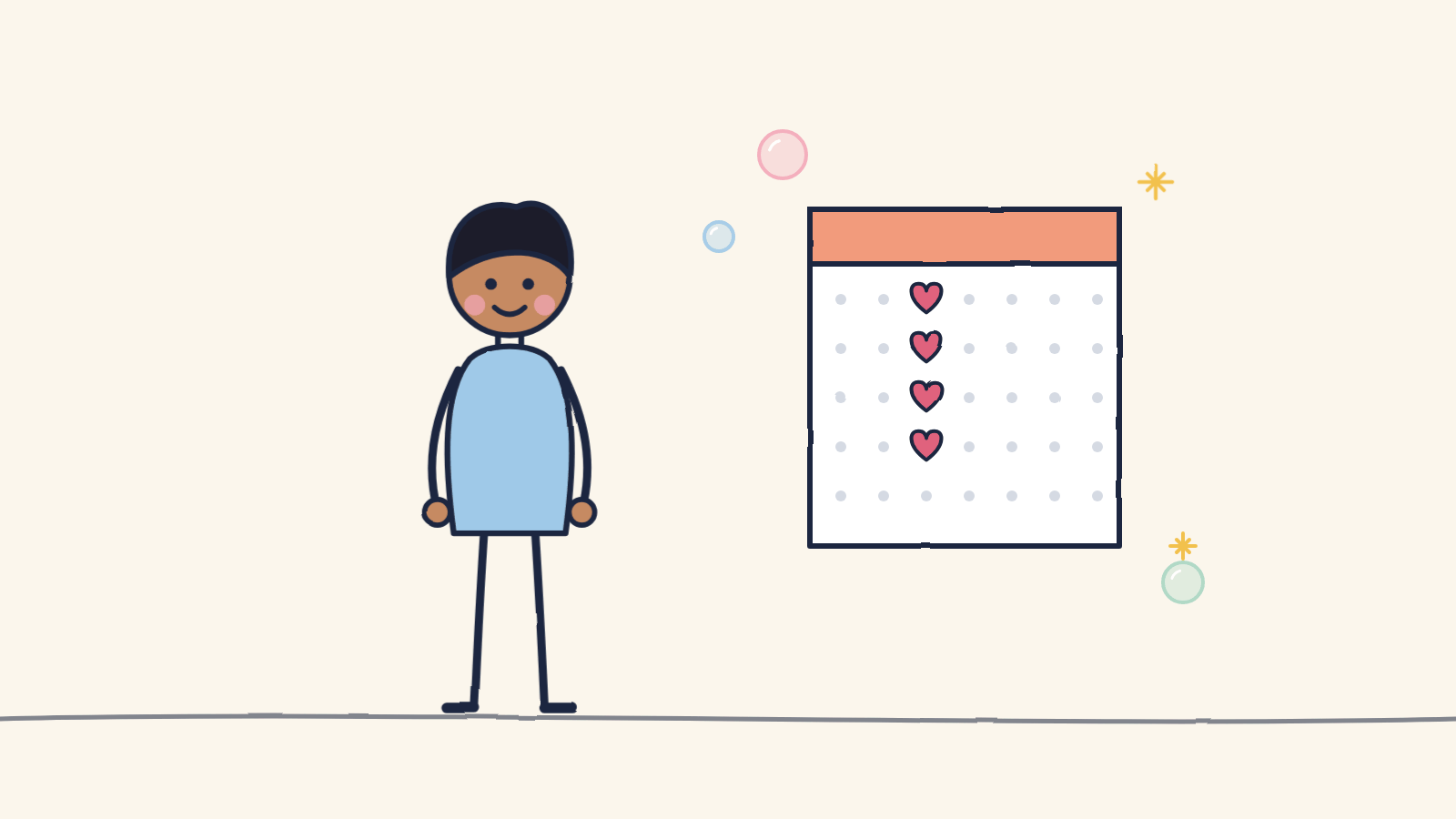
One exercise was called “Three Good Things.” Each night for one week, people wrote down three things that went well that day, along with why they thought each one happened.
The results were encouraging. People who did this exercise reported more happiness and fewer depressive symptoms. Those effects held up at follow-up checks for as long as six months. And here is an important detail: the people who kept doing the exercise on their own, after the one-week study ended, tended to benefit the most.
That suggests the real power is not in one magic week. It is in the habit.
The gratitude visit: a big boost that faded
The same study tested another exercise called the “gratitude visit.” People wrote a letter of thanks to someone who had been kind to them but who they had never properly thanked. Then they delivered it.
This gave the biggest immediate boost of all the exercises. That makes sense. Telling someone what they mean to you can be a powerful moment for both people.
But the boost faded after about a month. A single big gesture felt wonderful, while a small nightly practice seemed to last longer. Both have value. They just work in different ways.
Why “why” matters
Notice that Three Good Things asks for more than a list. It asks you to think about why each good thing happened.
That small step changes how you look at your day. If a coworker helped you, you might write that it happened because you have built a good relationship with them. If you finished a task, it might be because you started early. Asking why helps you see the people, choices, and luck that make good moments possible. It turns a passing moment into something you understand a bit better.
A fair note about expectations
The effects in this research are real, but modest. Three Good Things will not make every day happy, and it will not make hard feelings disappear. It is also not a treatment for depression or a replacement for care from a professional. If you are struggling, please talk to someone you trust or a doctor or counselor. A small nightly habit can be one helpful piece of a bigger picture.
Try it tonight
This takes about five minutes. Here is how to start:
- Write three good things. Before bed, write down three things that went well today. Big or small, both count. A good song on the radio is fair game.
- Add the why. Next to each one, write a sentence about why you think it happened. Keep it simple and honest.
- Keep going past a week. The study lasted one week, but people who kept going on their own got the most out of it. Try it for a few more nights and see how it feels.
If one night you can only think of one good thing, write that one. It still counts.
Leaning toward the good
Daniel tried it the next night. He wrote about the dinner, his friend’s laugh, and the warm walk home. Next to the walk, he wrote, “because I chose to skip the bus.” The awkward comment was still there in his memory, but it was no longer the only thing. If you want a cozy place to keep your three good things, NOTETYPE gives each new page a gratitude question to get you started and keeps everything private on your device.
Sources
- Baumeister, R. F., Bratslavsky, E., Finkenauer, C., & Vohs, K. D. (2001). Bad is stronger than good. Review of General Psychology, 5(4), 323–370.
- Seligman, M. E. P., Steen, T. A., Park, N., & Peterson, C. (2005). Positive psychology progress: Empirical validation of interventions. American Psychologist, 60(5), 410–421.