Why Good Things Fade, and How Noticing Keeps Them Fresh
We get used to good things fast. Researchers call it hedonic adaptation. Here is what studies suggest about appreciation and keeping the good feeling alive.
Omar saved for months to buy his new bike. It was dark green, light enough to lift with one hand, and it rode like a dream. For the first week, he took the long way to work just to ride it more. He grinned at every downhill. He even caught himself looking at it in the hallway at night. Then, somewhere around the second week, something changed. The bike was still great. But now it was just how he got to work. One morning he realized he had not noticed it at all. He was thinking about his inbox the whole ride.
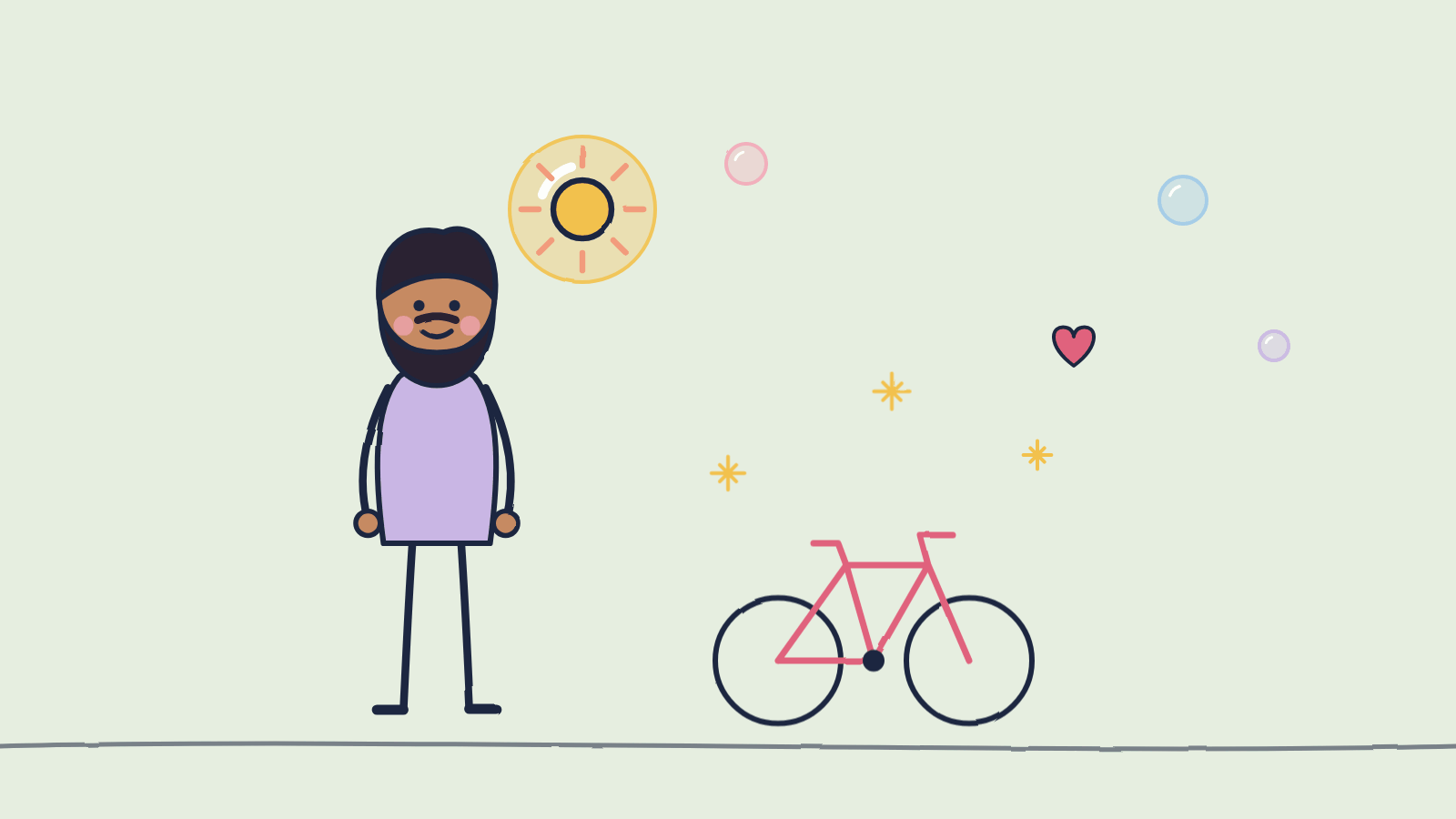
If this sounds familiar, you are not alone. Psychologists have a name for what happened to Omar.
What is hedonic adaptation?
“Hedonic” has to do with pleasure and good feelings. “Adaptation” means getting used to something. So hedonic adaptation is the way we get used to changes in our lives, including good ones.
Psychologist Sonja Lyubomirsky has written about this in detail. In a 2011 review, she explained that people tend to adapt to many changes, both happy and sad, over time. A new job, a new home, or a new bike might give us a boost at first. But slowly, the new thing becomes the normal thing, and the boost fades.
In some ways, this is helpful. Adapting is part of how people recover from hard events. But it also means good things can lose their glow, even when they are still good.
A study on staying happier
In 2012, Kennon Sheldon and Sonja Lyubomirsky tested ideas about why some good feelings last longer than others. They followed a large group of people over about three months. Partway through, each person named a recent positive change in their life that had made them happier.
Weeks later, the researchers checked in. For many people, the happiness boost from the change had faded. But some people held on to their boost longer than others. Two things seemed to help.
The first was variety. People whose positive change kept bringing new and different experiences tended to stay happier. A change that kept offering something fresh was less likely to fade into the background.
The second was appreciation. People who kept appreciating the change, rather than taking it for granted or wanting more and more, also tended to keep more of their boost.
Why noticing matters
Think back to Omar. His bike did not get worse. What changed was his attention. In the first week, he noticed everything: the light frame, the smooth gears, the rush of the downhill. By week two, his mind had moved on.
Appreciation is a way of bringing attention back. When you stop to notice something good, even something you have had for a while, you give it another chance to feel good. Writing it down is one way to do that on purpose.
Variety helps for a similar reason. A new route, a new place, or a new way of using something gives your brain something to notice again.
What this can and cannot do
It is good to be honest about the limits. The 2012 study followed people for weeks, not years, and it measured links between appreciation, variety, and happiness. It does not prove that appreciation alone keeps good feelings alive forever.
We also cannot stop adaptation completely, and we would not want to. Getting used to things is part of how people bounce back after hard times. And noticing good things is not a cure for depression or serious stress. If you are struggling, please reach out to someone you trust or a professional.
What the research suggests is that a little appreciation and a little variety may help good things stay good for longer.
Try it this week
Here is a simple way to refresh something good you have gotten used to:
- Pick one thing you take for granted. It could be your bed, a friend, your morning coffee, or yes, your bike.
- Remember the beginning. Think about how it felt when it was new. What did you love about it?
- Notice one detail today. Look for one thing about it you have stopped seeing.
- Add a little variety. Use it in a new way. Take a different route, try a new recipe, or invite your friend somewhere new.
- Write a line about it. A short note helps the good feeling stick a little longer.
The long way to work
The next Saturday, Omar took his bike on a trail he had never tried. Halfway up a hill, he stopped, caught his breath, and laughed. There it was again, that first-week feeling. Now he tries a new route every so often, and he writes down the good rides. If you would like a gentle place to keep noticing the good things in your life, NOTETYPE lets you write a thought and press “Make it real” to see doodles bloom around your words, all kept private on your device.
Sources
- Lyubomirsky, S. (2011). Hedonic adaptation to positive and negative experiences. In S. Folkman (Ed.), The Oxford handbook of stress, health, and coping (pp. 200–224). Oxford University Press.
- Sheldon, K. M., & Lyubomirsky, S. (2012). The challenge of staying happier: Testing the hedonic adaptation prevention model. Personality and Social Psychology Bulletin, 38(5), 670–680.