Gratitude for Kids and Families: What Studies in Schools Have Found
Studies with middle schoolers suggest that counting blessings can lift kids' moods and even how they feel about school. Here is what research shows.
Mei used to ask her son Leo, “How was school?” every night at dinner. Every night, the answer was “Fine.” One evening she tried something different. “Let’s each say one good thing from today,” she said. “I’ll go first. My coworker brought in mango cake.” Leo rolled his eyes, but then he thought for a second. “Okay. Jayden let me pick the team in gym.” Then he kept going. He told her about the game, a joke his friend made, and a drawing he was proud of. It was the longest talk they had had all week.
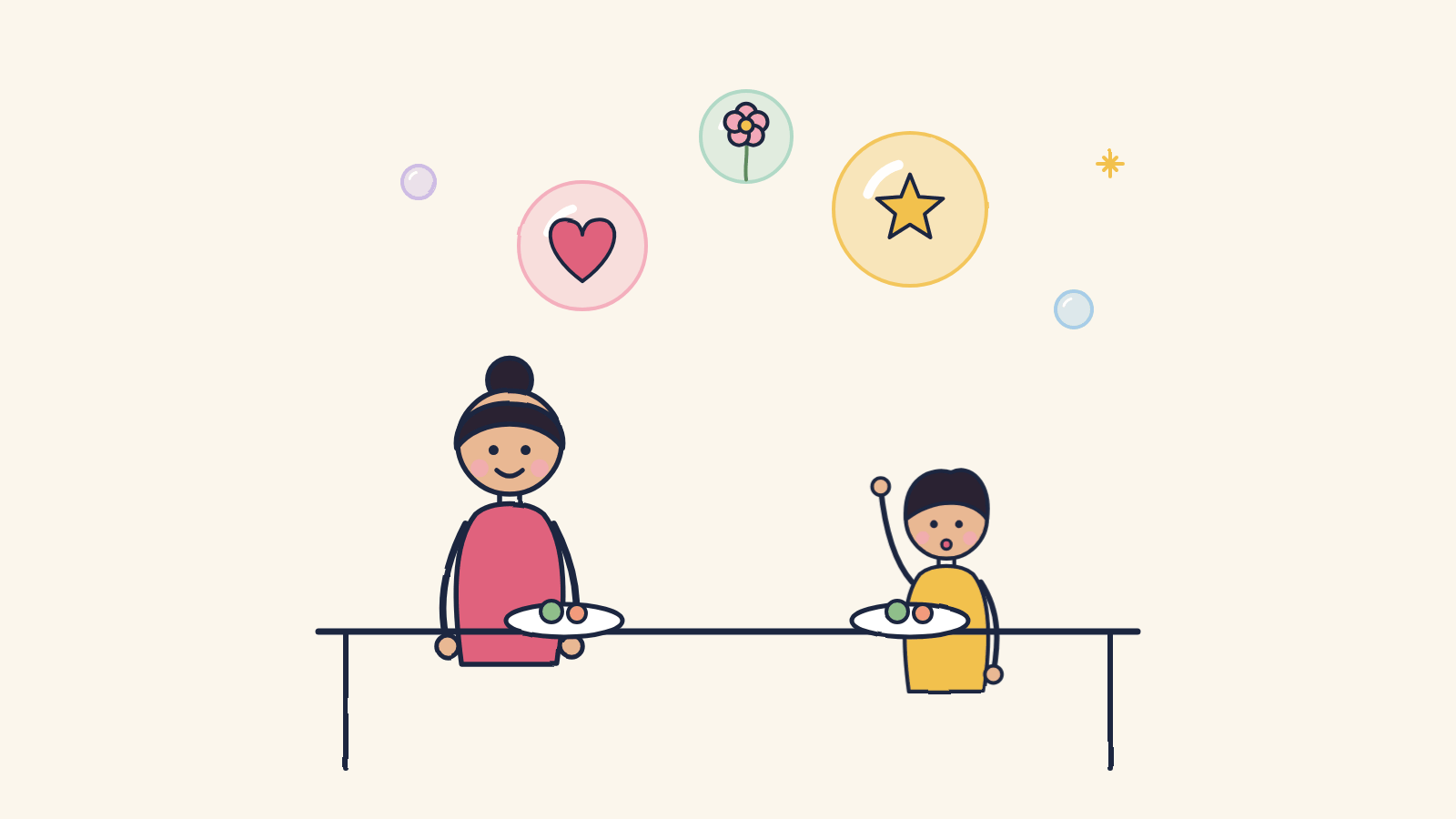
Mei’s dinner game is simple, but researchers have studied ideas a lot like it with kids and teens.
Counting blessings in middle school
In 2008, psychologists Jeffrey Froh, William Sefick, and Robert Emmons ran a study with 221 middle school students in 11 classrooms. They wanted to know if a gratitude exercise that had helped adults would help younger people too.
Each classroom was randomly assigned to one of three groups. In the gratitude group, students wrote down up to five things they were grateful for each day for two weeks. In a second group, students wrote about hassles, things that bugged them. A third group did not do either exercise.
Compared with the other groups, the students who counted blessings reported fewer negative feelings, like being upset or irritated, and in some measures felt more optimistic and more satisfied with life. One finding stood out: the gratitude group felt more satisfied with school, both right after the two weeks and at a check-in three weeks later.
That last result is worth pausing on. Many kids and teens feel stressed about school. A few minutes a day of noticing good things seemed to make school feel a little better.
Who benefits most?
In 2009, Froh and colleagues, including Todd Kashdan, ran another study with kids and teens. This time students wrote a letter of thanks to someone who had been kind to them and, when possible, delivered it in person.
The results were interesting. Not every student was changed much. But the students who started out with lower positive feelings, kids who did not often feel happy or excited, seemed to benefit the most. They reported more gratitude and more positive feelings afterward than similar kids who did not write a letter.
This hints that gratitude exercises may be most helpful for kids who could use a lift, not only for kids who already feel great.
Why might this work for kids?
Kids, like adults, tend to remember what went wrong. A bad grade or a mean comment sticks more than a good lunch or a kind teacher. Gratitude exercises gently train attention toward the good things that also happened.
For families, sharing out loud has a bonus. It gives parents and kids an easy way to talk. Instead of “How was school?” which often gets a one-word answer, “What was one good thing?” gives a kid something specific to think about. It also lets kids hear what their parents are grateful for, which shows them that noticing good things is normal.
What this can and cannot do
It is important to be honest. The effects in these studies were real but modest, and they were measured over weeks, not years. Not every child responded the same way.
Gratitude also should never be used to brush aside a child’s real problems. If a kid is sad, scared, or being bullied, “but think of what you’re grateful for” is not the right answer. Listening comes first. If a child or teen is struggling for more than a little while, talking to a school counselor, doctor, or therapist is a good step.
What the research suggests is that, alongside care and support, a light gratitude habit can help kids feel a bit better about their days.
Try it at your table
Here is a simple way to start as a family:
- Pick one time. Dinner, the car ride home, or bedtime all work. Same time each day makes it easier to remember.
- Go first. Share your own good thing. Kids are more likely to join in when they see an adult do it.
- Keep it small and real. “The bus driver said good morning” counts. There is no need for big things.
- Do not force it. If a kid says “nothing,” that is okay. Try again tomorrow.
- Try a thank-you note sometimes. Once in a while, help your child write a short note to a teacher, coach, or grandparent.
One good thing, every night
Mei and Leo still play their game. Some nights Leo’s good thing is just “pizza.” Other nights it turns into a long story. Either way, dinner feels warmer than it used to. If your family would like a private place to save good moments, NOTETYPE lets you write a thought and press “Make it real” to see doodles bloom around your words, all kept private on your device.
Sources
- Froh, J. J., Kashdan, T. B., Ozimkowski, K. M., & Miller, N. (2009). Who benefits the most from a gratitude intervention in children and adolescents? Examining positive affect as a moderator. The Journal of Positive Psychology, 4(5), 408–422.
- Froh, J. J., Sefick, W. J., & Emmons, R. A. (2008). Counting blessings in early adolescents: An experimental study of gratitude and subjective well-being. Journal of School Psychology, 46(2), 213–233.