Men and Gratitude: Why Saying Thanks Can Feel Awkward, and Why It's Worth It
Research suggests some men find gratitude harder to feel or say out loud. That is okay. Here is what studies show and simple ways to make thanks easier.
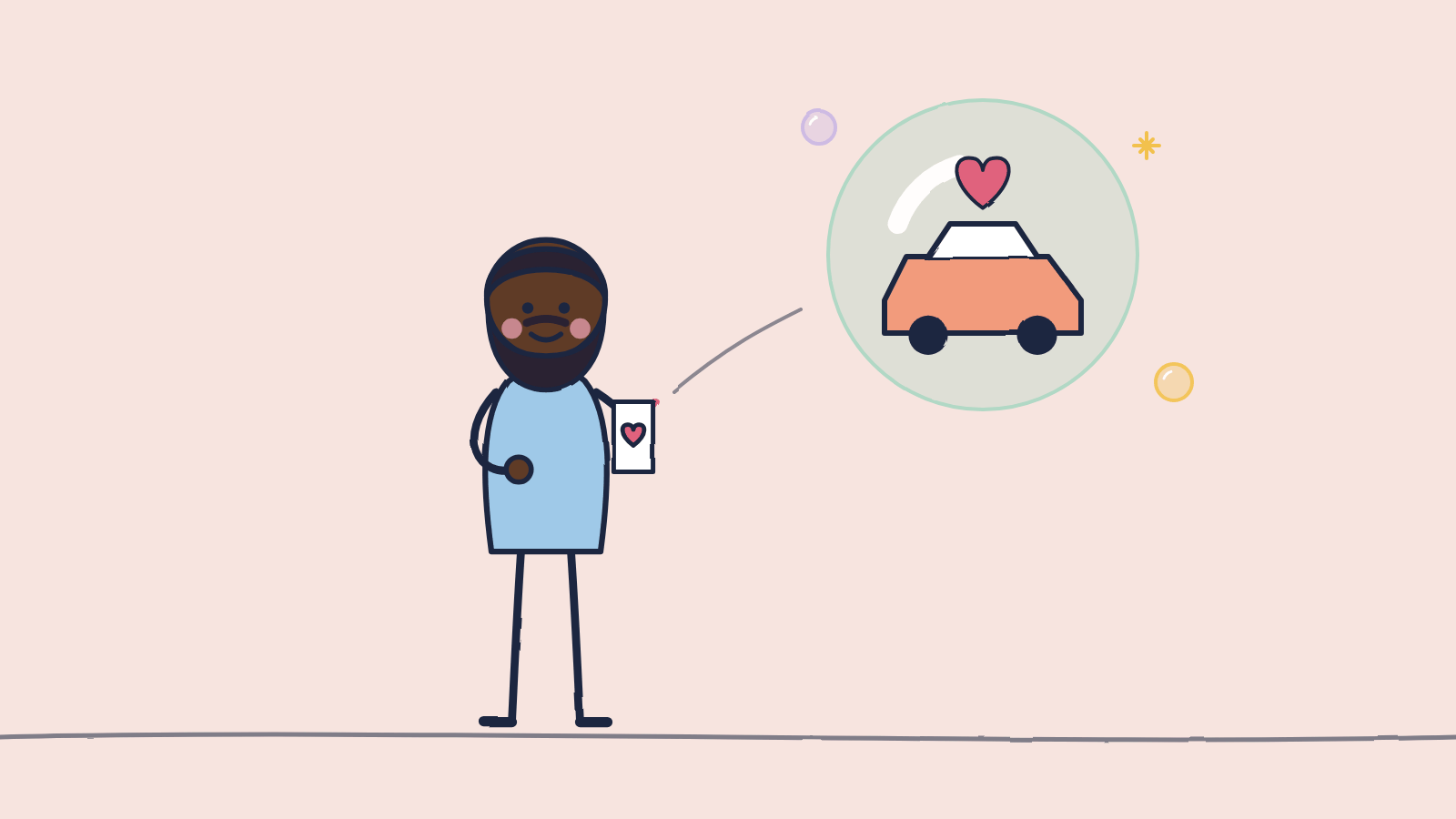
Jamal was sitting in his car in a parking lot, waiting for his order, when the thought hit him. He was driving. He had been driving for fifteen years, every single day, and it was all because of his older brother, Andre. Andre had spent a whole summer in an empty church parking lot with him, never once raising his voice, even when Jamal stalled the car for the tenth time. Jamal had never really thanked him. He picked up his phone, typed a message, deleted it, and typed it again. Finally he sent it: “Hey. Random, but thank you for teaching me to drive. I think about it more than you know.” A minute later his phone buzzed. “Man. That means a lot. Love you, little bro.”
Why did such a short message take Jamal so long to send? Research offers a few clues.
What one study found about men and gratitude
In 2009, Todd Kashdan and his colleagues published a set of studies on how men and women experience gratitude. They asked people to think about times they had received something helpful, and to rate how they felt.
On average, women in the studies reported feeling more gratitude than men did. But the more interesting finding was how men felt about gratitude. When men received help or a gift, they were more likely than women to report feeling a sense of burden or obligation, as if they now owed something back. Men also tended to describe the experience as more uncertain and more conflicted.
This does not mean men do not care. It suggests that for some men, being thankful can come wrapped up with other feelings, like worry about owing someone, or not wanting to seem weak or soft. Those feelings can make the words harder to say.
It is important to remember that these are averages. Plenty of men find gratitude easy and natural, and plenty of women find it hard. Nobody should be boxed in by a study result.
Gratitude and well-being for veterans
Another study by Kashdan, Gitendra Uswatte, and Terri Julian, published in 2006, looked at gratitude in a group of Vietnam War veterans. Some of the veterans had post-traumatic stress disorder (PTSD), and some did not.
The veterans with PTSD reported less gratitude in general. The researchers also had the veterans keep daily records for a few weeks. On days when veterans felt more grateful, they also tended to report more positive feelings and better self-esteem. This link showed up in veterans with and without PTSD.
This study shows a connection, not proof that gratitude caused those good days. Still, it is a meaningful reminder that gratitude is part of a good day for people who have been through very hard things, including men who may not talk about their feelings much.
Why it can feel awkward, and why that’s okay
If saying thank you feels clumsy to you, you are not doing it wrong. Many of us grew up hearing that men should be tough, independent, and not need anyone. Saying “thank you, you made a difference in my life” can feel like it goes against that.
But gratitude is not weakness. It takes some courage to tell someone they mattered to you. And the person on the other end usually does not care if the words are perfect. Andre did not need a speech. He just needed to know.
What this can and cannot do
It is good to be honest. The research on gender and gratitude mostly describes how people feel on average. It does not say that thanking people will fix stress, loneliness, or hard family history.
Gratitude is also not a treatment for PTSD, depression, or any other condition. If you are struggling, talking with a doctor, counselor, or someone you trust is an important step, and there is no shame in it. Gratitude can sit alongside that kind of support, but it should not replace it.
What the research does suggest is that gratitude is linked to better days for many people, and that it is open to everyone.
Try it this week
Here are a few low-pressure ways to start:
- Write it first, privately. Jot down one person who helped you and what they did. No one has to see it.
- Keep it short. One or two sentences is plenty. “Thanks for teaching me to drive” says a lot.
- Use the way that feels natural. A text, a quick call, or a pat on the back with a few words all count.
- Name the specific thing. Specific thanks feels real, and it is often easier to say than a big emotional statement.
- Remember it is not a debt. Saying thanks does not mean you owe anything back. It is just letting someone know.
The text that took fifteen years
Jamal and Andre still talk about that summer in the church parking lot. Now, every so often, one of them sends a quick message about something the other did years ago. It still feels a little awkward sometimes. They send it anyway. If you would like a private place to practice putting thanks into words, NOTETYPE lets you write a thought and press “Make it real” to see doodles bloom around your words, all kept private on your device.
Sources
- Kashdan, T. B., Mishra, A., Breen, W. E., & Froh, J. J. (2009). Gender differences in gratitude: Examining appraisals, narratives, the willingness to express emotions, and changes in psychological needs. Journal of Personality, 77(3), 691–730.
- Kashdan, T. B., Uswatte, G., & Julian, T. (2006). Gratitude and hedonic and eudaimonic well-being in Vietnam War veterans. Behaviour Research and Therapy, 44(2), 177–199.